

There’s nothing more frustrating than your boiler suddenly flashing an error code. One minute the house is warm, the next you’re staring at letters and numbers that look like your boiler has developed its own secret language. The good news is that many fault codes are simple warnings rather than serious failures. Some issues, especially low-pressure problems, can often be sorted safely by homeowners. Others will need a qualified engineer, and we’ll clearly flag which is which. Before we dive into the codes themselves, let’s look at the brands you’re most likely to see in UK homes.
The UK’s Top Boiler Brands And Their Codes
Around 1.8 million gas boilers are sold in the UK each year, and a large share of those come from just a handful of manufacturers. The biggest names include Worcester Bosch, Vaillant, Viessmann, and Ideal Boilers. These brands dominate installations because they offer strong efficiency ratings, widely available spare parts, and large installer networks. Each manufacturer uses its own fault-code system, so we’ve focused on the most common codes from the boilers UK homeowners are most likely to own. For more general advice on keeping your system healthy, check out our Boiler Maintenance Checklist.
Jargon Buster: Filling Loop
A metal hose (often silver and flexible) that connects your primary water supply to your central heating circuit, used to manually increase system pressure when it drops too low.
Worcester Bosch Fault Codes
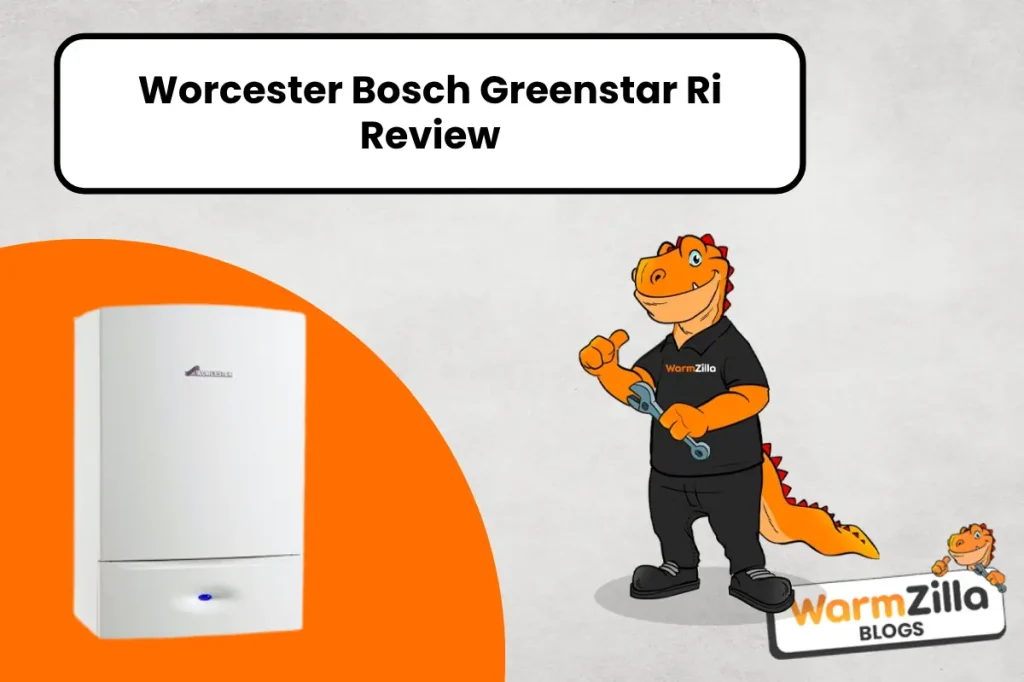
Worcester Bosch is often ranked as the UK’s most popular boiler brand in installer surveys. It isn’t just well-known, it’s everywhere. From London flats to Yorkshire semis, engineers know these boilers inside out, and parts are easy to find. If you own a Worcester Bosch boiler, here are some of the most common fault codes and what they usually mean.
An Engineer’s View
Boiler lockouts are essentially a safety ‘circuit breaker.’ When sensors like the air pressure switch or flame rectification probe detect a deviation from safe operating parameters, the PCB immediately shuts down the system to prevent gas buildup or internal damage. While a single reset can clear a temporary glitch, recurring codes are a clear signal that a mechanical component is failing and requires professional diagnostic testing.
– Matthew Powell, Gas Safe Engineer
A1: Pump Running Dry
An A1 code usually appears when the system pressure has dropped, and the pump isn’t getting enough water flow. This is one of the more common winter faults and often happens after bleeding radiators or small leaks in the system. In many cases, you can resolve this by repressurising the boiler using the filling loop. For a deep dive into this specific process, see our guide on how to repressurise a Worcester Bosch boiler. Increase the pressure to around 1–1.5 bar, then reset the boiler. If the pressure keeps dropping afterwards, it’s worth having an engineer check for leaks or an expansion vessel problem.
EA: No Flame Detected
If you see the EA fault code flashing, it usually means it hasn’t detected a flame, which often points to a gas supply interruption or an ignition problem. In most cases, this isn’t something a homeowner can safely repair themselves. However, it is worthwhile doing some basic checks, such as ensuring your gas supply hasn’t been switched off at the meter or that the main supply hasn’t been turned off due to council work nearby. If the gas supply has been turned off, try resetting the boiler to see if the code disappears. But if the code comes back, it’s time to call a Gas Safe registered engineer to investigate properly.


C7: Fan Fault
A C7 fault code usually means the boiler’s fan isn’t operating as it should. The fan is responsible for safely moving combustion gases through the system, so when it stops working properly, the boiler shuts down for safety. This fault involves gas or internal components, so it needs a Gas Safe engineer. There aren’t any safe checks beyond resetting the boiler once to see if the code clears after a temporary glitch.
D5: Sensor Fault
If your boiler shows a D5 code, it normally means there’s an issue with one of the temperature sensors inside the unit. These sensors help the boiler regulate heat safely, so when they fail or send incorrect readings, the boiler shuts down to protect itself. Try a single reset in case it’s a temporary glitch, but if the code persists, a Gas Safe registered engineer will need to test or replace the faulty sensor.
F0: Internal Fault
An F0 code usually indicates an internal electronics issue in the boiler’s control system. Modern boilers rely heavily on circuit boards and sensors, so even small faults can trigger a shutdown. There aren’t any safe homeowner checks for this one beyond trying a reset after a power interruption. Again, if the code persists, the boiler will need professional diagnosis and possibly replacement parts.
Vaillant Fault Codes
Vaillant usually sits just behind Worcester Bosch in UK sales and has a strong reputation in the premium segment. Their boilers are popular in larger homes and new-build developments where efficiency and quiet operation matter. Here are some of the fault codes Vaillant owners see most often.
F22: Low Water Pressure
If your boiler shows an F22 code, it usually means the system pressure has dropped below a safe level. This is one of the most common boiler faults in UK homes, especially after bleeding radiators or during colder months when systems are working harder. In many cases, you can fix this yourself by following our instructions on how to repressurise a Vaillant boiler.
F75: Pump or Pressure Sensor Fault
An F75 code normally means the boiler isn’t detecting the expected pressure change when the pump starts. This can point to a worn pump, a faulty pressure sensor, or internal blockages. You can try resetting the boiler once in case of a temporary glitch, but if the code comes back, a Gas Safe registered engineer will need to test the pump and sensor. For more detail on these specific issues, view our Vaillant Reset Guide.
F28: Ignition Failure
If you see F28 flashing, the boiler hasn’t been able to ignite its fuel. This is often linked to a gas supply interruption, air in the system, or an ignition component fault. Check that your gas supply is on at the meter and that there haven’t been any local supply interruptions, then try a single reset. If the fault returns, it’s time to call an engineer, as ignition issues need proper safety checks.
F29: Flame Failure
An F29 code means the boiler lit briefly but couldn’t maintain the flame. This can happen due to gas pressure issues, burner problems, or sensor faults. There’s nothing a homeowner should attempt here beyond checking the gas supply and resetting the boiler once. If the code comes back, you will need a professional to investigate the burner and ignition system.
F32: Fan Fault
If your boiler shows an F32 code, it usually means the fan isn’t running at the correct speed or isn’t operating properly. This isn’t something you can fix yourself. Try a reset if it’s a temporary issue; if the code persists, an engineer will need to inspect or replace the fan.
Viessmann Fault Codes
Viessmann boilers have grown quickly in popularity thanks to strong efficiency ratings and their future-ready approach to heating, especially as the UK moves toward heat pumps and hybrid systems. They’re popular with homeowners focused on long-term running costs and installers who like high-quality engineering and stainless-steel heat exchangers. Here are the Viessmann fault codes you’re most likely to encounter.
F2: Flame Failure
If your boiler shows an F2 code, it usually means it hasn’t been able to maintain a flame. This often points to: an ignition issue, a gas supply interruption, or a problem with the burner components. This isn’t something a homeowner can safely repair. Check that the gas supply is on at the meter and try a single reset. If the code returns, a Gas Safe registered engineer will need to inspect the ignition system.
F4: Burner Fault
An F4 code usually means there’s a fault with the burner or ignition process. This could be due to gas pressure problems, blocked burners, or faulty ignition components. There aren’t any safe homeowner fixes here. As mentioned, resetting the boiler once, in case it’s a temporary issue, can resolve the issue. But if the code comes back, an engineer will need to investigate properly.
F5: Air Pressure Switch Fault
If you see an F5 code, it normally means the boiler isn’t detecting proper airflow or ventilation. This can happen if the fan isn’t working correctly or there’s an issue with the flue system. Because this relates to safe combustion, it’s not something to try fixing yourself. A qualified engineer will need to check the fan, flue, and pressure switch.
A9: Sensor Fault
An A9 code usually points to a faulty temperature sensor inside the boiler. These sensors help regulate heat safely, so when they send incorrect readings, the boiler shuts down to prevent damage. There’s no safe homeowner fix beyond trying a reset. If the code persists, an engineer will need to test and replace the faulty sensor.
Low Pressure Warning
If your Viessmann boiler shows a low-pressure warning, it usually means the system pressure has dropped below a safe level. This is one of the more common issues and can often be fixed by repressurising the boiler using the filling loop.
Ideal Boilers Fault Codes
Ideal Boilers are extremely common in the UK thanks to competitive pricing, strong warranties, and simple servicing. They’re often installed in new-build homes and rental properties where reliability and value are key. Here are some of their most common fault codes.
L2: Ignition Lockout
If your Ideal boiler shows an L2 code, it usually means the boiler tried to ignite but failed and has gone into safety lockout. This can happen due to gas supply issues or ignition component faults. Check that the gas supply is on, then try resetting the boiler once. If the code returns, an engineer will need to inspect the ignition system safely.
F1: Low Water Pressure
An F1 code usually means the system pressure has dropped too low. This is one of the most common faults in UK homes, especially after bleeding radiators or during cold weather. If you need assistance with this brand, we have a specific guide to repressurising Ideal boilers.
F2: Flame Loss
If you see an F2 code, the boiler briefly ignited but couldn’t keep the flame going. This may be due to gas pressure issues, burner faults, or sensor problems. There aren’t any safe homeowner repairs here beyond checking the gas supply and trying a reset. If the code persists, a Gas Safe registered engineer will need to investigate.
F3: Fan Fault
An F3 code means the fan isn’t operating properly. Since the fan removes combustion gases safely, the boiler shuts down when there’s a problem. There aren’t any safe homeowner checks beyond a single reset. This means trying to reset the system once; if the code returns, an engineer will need to inspect or replace the fan.
F4: Flow Thermistor Fault
If your boiler shows an F4 code, it usually means there’s a problem with the flow temperature sensor. These sensors help the boiler regulate heat correctly. Because this affects combustion safety, it should be inspected professionally. However, try resetting the boiler at least once. But if the code persists, an engineer will need to test or replace the sensor.
Need Help With a Fault Code?
If you can’t identify your boiler’s fault code or the issue keeps returning, it’s best to speak to a professional rather than guessing. Boilers are safety-critical appliances, and small problems can escalate into costly issues if ignored. If your boiler keeps flashing error codes, WarmZilla can help you move from guesswork to a clear fix. Simply contact one of our professionals, and they will help you troubleshoot any fault code or schedule a professional to correct the issue within 48 hours.
| Question | Answer |
|---|---|
| Can I Reset My Boiler After An Error Code? | Yes, once. If the code returns, call an engineer. |
| What Pressure Should My Boiler Be? | Usually 1–1.5 bar at cold temperatures. |
| Why Does My Boiler Keep Losing Pressure? | Likely a small leak, expansion vessel issue, or radiator bleeding. |


Have a question? Please contact us on Live Chat
About the Author