
Key Takeaways
- Boiler pressure loss is common and requires occasional repressurisation.
- Proper pressure is critical for heating and water functionality.
- Low pressure causes poor heating, no hot water, and noise.
- Boiler lockout occurs if pressure drops too low.
- Error codes indicate low pressure; consult your boiler's manual.
- External filling loops require manual attachment for repressurisation.
- Internal filling loops are convenient and integrated into boilers.
- Leaks, airlocks, and faulty parts often cause pressure drops.
- Regular maintenance prevents sludge, corrosion, and pressure issues.
- Gas Safe engineers ensure safe, professional boiler repairs.

It can be incredibly inconvenient for those who have just discovered that their boiler needs to be repressurised. However, every boiler type and brand must be occasionally repressurised after general use.
Because it is a common occurrence, most boilers are designed to make repressurising them easily.
However, as with everything in life, repressurising your home’s boiler can be more nuanced. The process for your boiler will differ slightly from that of other brands and types.
We’ve created content for most of the leading boiler brands in the UK, including:
- Alpha Boiler
- ATAG Boiler
- Ariston Boiler
- BAXI Boiler
- BIASI Boiler
- Ferroli Boiler
- Glow-Worm Boiler
- INTERGAS Boiler
- Ideal Boiler
- Keston Boiler
- MAIN HEATING Boiler
- Navien Boiler
- Potterton Boiler
- Vaillant Boiler
- Viessmann Boiler
- Vokera Boiler
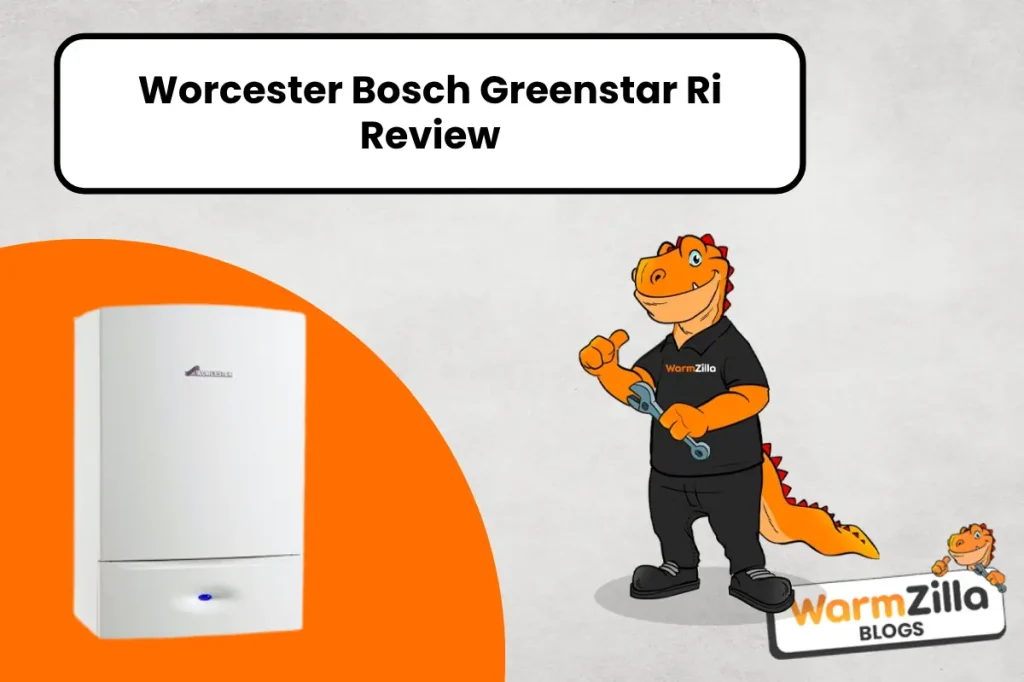
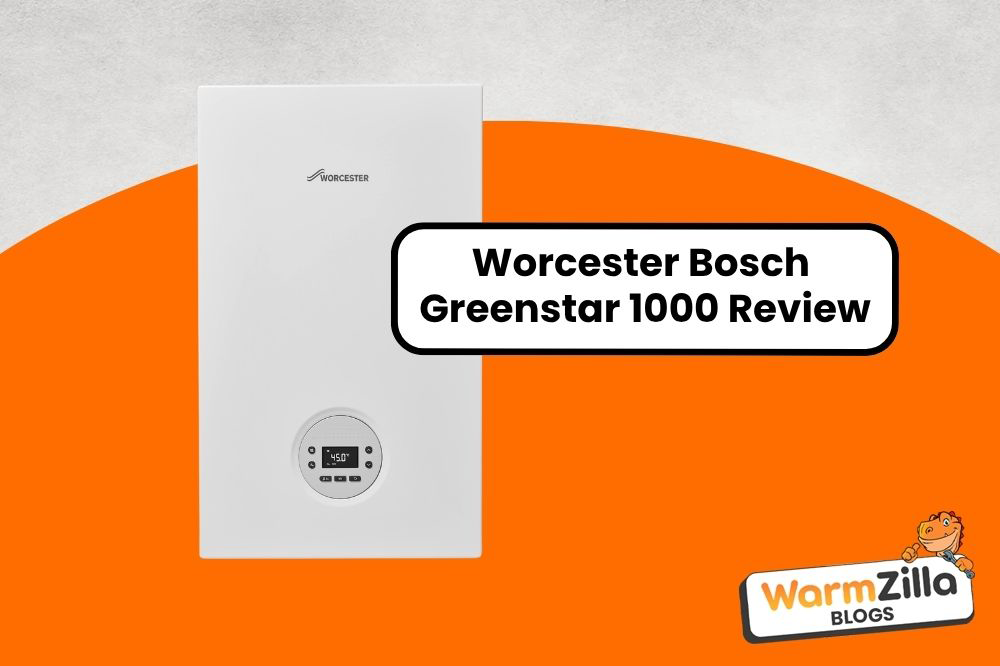
- Worcester Bosch Boiler
Why Do You Need To Repressurise A Boiler
Boilers operate within a closed network of pipes that are kept under pressure. The water pressure in your boiler is critical for all its operations.
However, no matter how water-tight your boiler’s system is, water can escape.
Your boiler must be repressurised when its internal pressure falls below the optimal range, generally between 1 and 1.5 bar.
Besides losing pressure from general use, there are various other reasons why a boiler could lose water.
When the pressure is insufficient, the boiler cannot operate effectively, which will lead to:
Poor Heating
Low pressure in your boiler’s system can prevent the unit from effectively circulating hot water throughout the home. This poor circulation eventually leads to cold radiators and insufficient warmth around the house.
No Hot Water
In severe cases, your home’s boiler may fail to provide hot water for taps and showers, disrupting daily routines and other activities.
Increased Energy Bills
When your boiler struggles to circulate heat throughout the home, it must work harder to compensate for low pressure. Thus, the boiler needs more energy to achieve the desired heat temperature.
Noisy Operation
Low pressure can cause unusual noise, such as:
Banging Or Knock Sounds
These noises are caused by air trapped inside the system, disrupting normal water flow.
As water flow decreases, the boiler begins heating specific sections, generating steam. When released, this accumulated steam may create a kettling sound, often likened to a whistling or high-pitched noise.
To solve this issue, depending on the pressure level, you may need to bleed your radiators (if the pressure level is too high) or repressurise (if the pressure level is too low).
Gurgling
Also caused by trapped air or water struggling to circulate the system, it can be an unnerving sound.
Other noises related to low pressure include humming, vibrating, clunking and rumbling.
Boiler Lockout
Most modern boilers will have built-in safety features that shut the unit down before the pressure drops too low. The primary purpose of this boiler lockout feature is to prevent potential system damage.
Also, the pressure level when this feature starts varies depending on the boiler brand and model.
Generally, boilers are designed to activate their lockout feature only when the system pressure drops below approximately 0.6 bar.
However, some models may have different thresholds. For precise information, consult the user manual or the manufacturer’s guidelines.
For a quick reference:
- Alpha Boiler: 0.6 bar
- ATAG Boiler: 0.8 bar
- Ariston Boiler: 0.6 bar
- BAXI Boiler: 0.6 bar
- BIASI Boiler: 0.6 bar
- Ferroli Boiler: 0.6 bar
- Glow-Worm Boiler: 0.6 bar
- INTERGAS Boiler: 0.6 bar
- Ideal Boiler: 0.6 bar
- Keston Boiler: 0.6 bar
- MAIN HEATING Boiler: 0.6 bar
- Navien Boiler: 0.6 bar
- Potterton Boiler: 0.6 bar
- Vaillant Boiler: 0.6 bar
- Viessmann Boiler: 0.6 bar
- Vokera Boiler: 0.6 bar
- Worcester Bosch Boiler: 0.5 bar
Be aware that these levels can vary between models and new technological developments, and the above is just for basic reference.
If you cannot locate this information, contact the manufacturer’s customer support (or WarmZilla) or a qualified Gas Safe registered engineer.
A significant indicator of a low water pressure issue is the error code. However, all these boiler brands have different error codes that indicate the system’s water pressure is low.
Error Codes For Low Water Pressure
As mentioned, most boilers have a different error code or alert to notify users that their boiler needs to be repressurised.
We’d recommend reading your boiler’s manual to know what this message is for your home’s unit. You can also use our quick reference below:
Alpha Boiler
The error codes E37 and E10, or the flashing red and yellow lights alternating between each other, can indicate that you must repressurise an Alpha boiler.
Fault code E37 signals that the flame is not turning on. This can be caused by the safety feature sensing that the water pressure is too low.
If you have an E10, it is the error code for too-low system pressure. At the same time, the flashing lights indicate that your Alpha boiler has initiated lockout mode.
ATAG Boiler
The error codes for low water pressure in an ATAG boiler are 1P4, 108, and 118.
Error codes 1P4 or 108 indicate that the water pressure is too low and that the system needs to be refilled. These codes The pressure should be between 1 and 1.2 bars when cold and heating is switched off.
Also, error code 118 means a low water pressure, indicating that the pressure gauge is below the acceptable range of 0.8 to 1 bar.
Ariston Boiler
Error code 108 means there is not enough water in the system, and will need to be repressurised.
BAXI Boiler
The BAXI boiler’s low water pressure error codes are E118 and E119. While they indicate similar issues, the key difference is that “E118” refers to the primary system water pressure being too low, while “E119” signifies a low water pressure switch cutout.
BIASI Boiler
Error code ER 04 indicates a problem with the system’s low water pressure and flow or weak circulation.
You will want to investigate whether or not your boiler needs to be bled or power flushed.
Ferroli Boiler
For a Ferroli boiler, the error code for low water pressure is F37. Another reason for the F37 message is if the water pressure switch is damaged.
Glow-Worm Boiler
Error code F22 for Glow-Worm indicates that there is an insufficient amount of water in your boiler’s system.
INTERGAS Boiler
For an INTERGAS Boiler, the error code for low water pressure is 0.0.
Ideal Boiler
The error code that indicates that your Ideal boiler’s water pressure is too low is F1.
Keston Boiler
For a Keston Boiler, the error code for low water pressure is E44.
MAIN HEATING Boiler
Because MAIN heating and BAXI are part of the same manufacturing group, their error codes are the same as F118 and F119, indicating low water pressure.
Navien Boiler
For Navien boilers, the error code for low water pressure is E302.
Potterton Boiler
Another manufacturer is part of the BAXI group, which means the error codes are F118 and F119.
Vaillant Boiler
The error code for a Vaillant boiler with low water pressure is F22. This code indicates that the water pressure in the boiler system is too low, typically below 0.5 bar, which prevents the boiler from operating to avoid potential damage.
Viessmann Boiler
For a Viessmann Boiler, the error code for low water pressure is F1.
Vokera Boiler
The error code for low water pressure in a Vokera boiler is A04. This code indicates that the system has insufficient water pressure, which can affect the boiler’s performance.
Worcester Bosch Boiler
There are numerous error codes for Worcester Bosch boilers due to the number of years they’ve been operating.
Depending on the Worcester Bosch model, your error code could be:
- A1, indicating there is low to no water in the system
- 1017 W, notifying you your water pressure is too low
- Or 2971 B, which is the warning for your system’s pressure being too low
Now that we’ve reviewed all the error codes, here’s our step-by-step guide to repressuring your boiler.
Step-by-Step Guide to Repressurising Your Boiler
For the most part, repressuring your boiler, no matter the:
- Brand
- Model
- And type of boiler (e.g. combination boilers)
follows somewhat similar steps
However, some still differ, which we will mention below. As always, it is best to review your boiler’s user manual before attempting to repressurise it.
For those who are ready, let’s start at the beginning:
Step 1: Turn Off the Power
Locate the power switch or fuse spur near your boiler and turn it off. This switch is typically a large square box with an equally sized button and should be easy to find.
If your boiler is connected to a standard power outlet and you cannot locate a dedicated switch, unplug it from the socket.
For those who have not found a fuse spur or a plug point, for safety’s sake, turn off all power in your home using the main switchboard to ensure safety.
Once the power is off, allow the heating system to cool for several hours before proceeding. This ensures a more accurate reading of the system’s pressure level, as a warm system can cause the pressure reading to rise.


Step 2: Identify and Locate the Filling Loop System
Your boiler uses a filling loop system to connect your boiler to your home’s cold water mains, allowing you to top up the system’s water levels.
Usually, your boiler’s filling loop system comes in two types:
- External Filling Loop: A detachable metal braided hose with two valves. It connects the cold water mains to your central heating system.
- Internal Filling Loop: Integrated into modern boilers, requiring either a key or lever to operate.
While many boiler manufacturers have resorted to using an internal filling loop system, they will refer to it with their unique brand name for the feature.
However, two different methods exist for attaching or using your filling loop systems.
External Filling Loop
With an external filling loop system, you must find a metal hose to attach to the boiler. The hose must be connected manually for repressurisation.
Before attaching your filling loop, ensure the taps under the boiler are closed. Generally, you want your insolating taps to face the opposite direction of the pipe.
Remove pipe caps from the filling loop connection and set them aside for later. Attach the filling loop securely by hand to the domestic hot water inlet with the washer securely set in its seat. Avoid over-tightening the wing nuts, as this may cause leaks.
Remember, once the repressurisation is complete, disconnect and remove the external filling loop. Leaving it attached can lead to contamination and sludge build-up in the system.
Internal Filling Loop
Internal filling loops are built into the boiler for convenience. Some systems may require inserting a rigid filling link (a bent copper pipe with wing nuts and washers).
However, high-end boiler models for the following brands have an automatic filling loop mechanism that only requires the user to open just one valve. These brands include:
- Viessmann Boiler
- Worcester Bosch Boilers
- Vaillant Boilers
While some internal filling loop systems will require work fitting the rigid filling loop, most are ready to go.
Step 3: Opening the Valves
Once the filling loop is connected correctly, follow these steps:
- Open the first valve to allow cold water to flow into the filling loop.
- Slowly open the second valve to direct water into the boiler system.
- Open the valves gradually to avoid overpressurising the system.
- Watch the boiler’s pressure gauge as the water flows, ensuring the pressure rises steadily.
The recommended pressure level for most boilers is between 1 and 1.5 bars. Some manuals suggest adding a slight margin (e.g., 0.1 bars) for small fluctuations.
Step 4: Closing the Valves
When the desired pressure is reached, close the valve connected to the boiler’s heating system first, followed by the valve connected to the water mains.
Ensure both valves are fully closed. If pressure rises, one or both valves are not entirely shut. But for now let’s assume all went according to plan.
Step 5: Turn the Boiler Back On
Restore power to the boiler by turning the switch or fuse spur back on.
Once the boiler is operational, monitor the pressure gauge to ensure the system maintains the correct pressure.
The reset process usually takes 10 minutes, but please refer to your boiler’s manual to confirm the times.
Step 6: Draining Excess Water (If Overpressurised)
If you accidentally exceed the recommended pressure, you can release excess water by bleeding a radiator:
- Locate the radiator’s bleed valve, usually found at the top of the radiator on either the left or right side.
- Use a radiator key or flat-head screwdriver to turn the valve anticlockwise. Open it slowly—a quarter-turn is often sufficient.
- Catch the released water in a container while monitoring the boiler’s pressure gauge.
- Once the pressure returns to the correct level, close the bleed valve.
If you over-drain water from the system, repeat the repressurisation process.
But what happens if the pressure keeps dropping? As mentioned, all boilers will lose some pressure over time; however, if you need to top up weekly, there could be other reasons to repressurise your boiler.
Common Reasons Why A Boiler Can Lose Pressure?
If your boiler is losing pressure often, here are the most common causes to investigate:
1. Leaks in the System
Even the smallest leaks in your heating system can cause a boiler to lose pressure, leading to a system shutdown.
The signs your boiler’s system is leaking are:
- Damp patches on walls, ceilings, or near radiators.
- Inconsistent heating across your radiators.
- Gurgling or hissing noises.
- And a spike in your water usage.
Leaks can be difficult to spot because most heating systems conceal all their piping. If you suspect a leak, call a Gas Safe registered engineer who can locate and fix it quickly using advanced tools like thermal imaging.
2. Insufficient System Inhibitors
Chemical inhibitors in your boiler system help prevent internal corrosion and sludge buildup.
Rust and sludge can form quickly without enough inhibitors, blocking water flow and causing pressure drops.
Signs that your boiler’s heating system has a sludge buildup are:
- Radiators are cold at the bottom but warm at the top.
- Frequent pressure loss.
- Reduced heating performance.
You can bleed your radiators to release air bubbles to fix this, but a professional system flush is sometimes necessary for severe sludge buildup.
If your system has a severe blockage, a Gas Safe-registered engineer must clean it and top up inhibitors to prevent future sludge buildup.
3. Faulty Boiler Pump
Your boiler’s pump circulates hot water throughout your home’s heating system. If it malfunctions, it can cause problems with water flow and pressure.
Signs of a faulty pump are:
- The pump feels too hot to touch.
- Water is leaking around the pump.
- Radiators not heating correctly.
A Gas Safe registered engineer can inspect, repair, or replace the pump and check its settings to ensure efficient operation.
4. Expansion Vessel Issues
An expansion vessel regulates pressure by absorbing the natural expansion of water when it heats. If the vessel becomes faulty or loses its air charge, pressure drops can occur.
Signs that there’s something wrong with your expansion vessel are:
- Pressure spikes when the boiler heats up, followed by sudden drops.
- Water escaping through the pressure relief valve.
Fixing or replacing an expansion vessel requires professional expertise, so you must call a Gas Safe registered engineer.
5. Improper DIY Maintenance
Bleeding your home’s radiators is a common homeowner task that removes air pockets.
Removing this built-up air improves efficiency, but excessive water release during the process can lower system pressure.
If you’ve recently bled your radiators, this might be the culprit.
6. Faulty Pressure Relief Valve
The pressure relief valve is a critical safety feature that releases excess pressure.
However, if it malfunctions, your pressure relief valve could open unnecessarily, causing a leak and lowering the system’s pressure.
It’s important to note that you should not attempt to fix this issue yourself. Only a Gas Safe registered engineer is qualified to handle such repairs safely.
As you can see, many common problems with losing pressure require a Gas Safe registered engineer to repair. But who can you call to find a professional to help you?
Call WarmZilla And We’ll Be There In 48 Hours
If your boiler is losing pressure due to a potential leak, faulty component, or any issue requiring professional attention, it’s essential to contact a qualified engineer promptly.
WarmZilla provides nationwide service, with Gas Safe registered engineers available to assist you within 48 hours.
Contact one of our experienced professional consultants today to discuss your issue and find the right solution for your needs.


Have a question? Please contact us on Live Chat
About the Author